
You won the shelf.
You're losing online.
Good Monster works with retail-native brands that are winning on the shelf but losing online. We build them profitable ecommerce channels that grow both their online and in-store sales.
What we typically find













Our three-step process.
- 01We find your revenue gapsWe map every place revenue is leaking: your website, the marketplaces you are listed in, retailer websites, and in-store retail.
- 02Highest P&L impact firstWe fix the revenue leaks with the biggest impact on your P&L and bottom line first. The revenue recovered from those early fixes funds the later phases of work.
- 03Then growth compoundsOnce the leaks are sealed and your P&L is healthier, we compound growth with paid media that grows your website revenue, your marketplace revenue on Amazon and Walmart, and your in-store revenue.
Capture. Create. Compound.
Your retail business already creates demand. People see you on the shelf and search your name online. Most of those searches never turn into a sale you keep. C3 is how we close that gap: capture the demand you already paid for, create new demand, and compound both into channels you own, run in the order that pays for itself.
- 01 · Capture
Win the shopper who's already looking.
Amazon, retailer sites, and retail media: the places your shopper already shops. Most brands uploaded their content once and left it for years, so the demand leaks to resellers. You already paid for this awareness through slotting and trade spend. Capture is where we stop the leak. Fastest payback, and it funds the rest of the system.






- 02 · Create
Build demand that didn't exist before.
Creator seeding, organic social, TikTok Shop. Slower than Capture, and the only source of pull that compounds instead of decaying. This is what shows up as velocity nobody can explain away at your next category review.



- 03 · Compound
Turn attention into assets you own.
Bundles, email, SMS, subscription. The owned layer that makes everything above it cheaper over time. Every list you build makes the next Capture play cost less.



Capture funds Create. Create feeds Compound. Compound makes Capture cheaper. Most agencies want to start with Create — it's the fun one. We start with Capture, because it's the one that pays for the rest.
Your buyer will change, on average every 18 to 24 months. Relationships don't survive that. Demand does.
Most agencies only speak half of your business.
Retail agencies speak shelf. Ecommerce agencies speak online. Working in silos, neither one fixes the other half of your business. We speak both and run both, so the channel we build online grows your retail business too.
- Doors and ACV
- Velocity
- Sell-in vs sell-through
- Category review
- Trade spend
- Slotting
- Planogram and facings
- Broker and distributor
- SPINS and Circana
- Chargebacks
- 01Doors and ACVEvery new store you win puts more people searching your brand online. We make sure those searches turn into your sales, not someone else's.→ Sessions and conversion rate
- 02VelocityYour best sellers in stores tell us what to feature and bundle on your site.→ Average order value and bundle mix
- 03Category reviewWe time campaigns and emails around your retail review calendar, so online results show up when your buyer is looking.→ Campaign timing
- 04Trade spendYou already paid to make shoppers aware of your brand. We stop that awareness from turning into reseller sales.→ Contribution margin
- 05Broker and distributorYour retail footprint shows where demand already exists. We aim ad spend at those regions.→ Geo-targeted spend
- 06Sell-throughYour online sales data becomes proof of demand you hand your buyer at the next review.→ First-party data and repeat rate
- Average order value
- Contribution margin
- Conversion rate
- TACOS and buy box
- Subscribe and save
- Creative testing
- Incrementality
- Retention and LTV
- Unauthorized sellers
- Payback period
The money that slips between these two columns goes to resellers, marketplaces, and competitors. That is the gap we close.
Insights
Latest from the blog

Full Shelf, Empty Listing: The Digital Shelf Gap Almost No One Audits
Walk the aisle of any retailer that carries your product, and the shelf tells one story: fully stocked, good facing, maybe even a secondary display. Then go home, pull up that same retailer’s website, and search for your product by name. For a large number of CPG brands, nothing comes up. Or something comes up,
Jul 29, 2026

40,000 People Search Your Brand Every Month. Where Do They Actually Land?
Branded search volume is the metric every CPG marketing team is quietly proud of. Forty thousand people typing your brand name into Google every month feels like proof the brand is working. In a lot of ways, it is — that demand had to be earned somewhere: retail shelf presence, word of mouth, an ad
Jul 29, 2026

7 Sellers, 4 Below MAP: The Marketplace Math Most CPG Brands Never Run
Run a search for your own product name on Amazon right now. Not your brand name — the exact product title. Count the sellers. Most CPG founders have never done this. The ones who have are usually surprised: five, seven, sometimes a dozen listings for the same SKU, several of them priced below the minimum
Jul 29, 2026
A $100 order on Amazon vs. the same order on your own site.
- Referral fee 15%
- Fulfilment and returns 17%
- Ads 12%
- Processing 0%
- COGS 35%
- $21 (your profit)
- Referral fee 0%
- Fulfilment and returns 12%
- Ads 12%
- Processing 3%
- COGS 35%
- $38 (your profit)
That is 17 points more margin, roughly 80% more profit on the exact same order.
Note: this example assumes 35% COGS and a 12% blended ad cost on both channels. In the Gap Analysis we model it with your exact numbers.
It is the argument your CFO understands in ten seconds. Most agencies will never make it, because they earn more when you spend more on Amazon.
Case studies
Ghirardelli Chocolate
Brand-lift YouTube Ads program ahead of a new flavor launch, built and run as contracted Media Buyer Lead while training an internal junior buyer team.
- YouTube Ads
- Brand Lift
Ghirardelli, the U.S. chocolate manufacturer, was launching new flavors and needed consumers to know about them before they hit physical retail shelves — a brand-awareness objective, not a revenue or direct-response one.
Planned and managed the YouTube Ads account as contracted Media Buyer Lead, training a newly onboarded team of junior media buyers, and improved targeting to lift awareness efficiency well past prior benchmarks.

- Ad spend (Oct 2021–Apr 2022)
- $3.03M
- Impressions delivered
- 403M+
- Views
- 39.1M+
- Seasonal flavors: chocolate & peppermint bark squares
- 2
How Good Monster compares to other agencies.
The two kinds of agencies that usually pitch you, side by side.
| Good MonsterBuilt for direct | Direct-onlyKnows Meta | Trade shopKnows your broker | |
|---|---|---|---|
| Speaks doors, velocity, sell-through | Yes | No | Yes |
| Runs Meta, Amazon and Shopify in-house | Yes | Yes | No |
| Handles unauthorized sellers and MAP | Yes | No | Partial |
| Starts with your P&L, not a service menu | Yes | No | No |
| Will tell you when not to spendIf the math says a channel will lose you money, we tell you before you fund it, not after. | Yes | No | No |
Common question
Will selling on my own ecommerce site cannibalize my retail sales?
No, as long as you sell at full price. Your own website does not compete with your retail partners on price, so there is nothing to undercut. It usually helps the shelf. When we rebuilt the website for Béaba, a baby brand sold at Target, their in-store sales at Target rose 23% over the same period. What actually costs you retail revenue is a reseller selling your product below the agreed minimum price. Selling on your own site at full price protects against exactly that.
Read the full breakdown →Four teams. One agency.
Most agencies are only good at one service. That leaves you managing four different companies with four different strategies that do not talk to each other, and to the shopper you stop looking like one brand. We run all four teams under one strategy, so your brand shows up the same way on your site, on marketplaces, and in retail.
Amazon
- Seller and Vendor Central
- Brand Registry and A+ content
- Storefront build
- Listing and PDP optimisation
- TACOS and profitability
Channel Control
- Unauthorized seller removal
- MAP monitoring and enforcement
- Buy box recovery
- Reseller mapping
- Online price integrity
Online Marketplaces
- Walmart Marketplace
- Target Plus
- TikTok Shop certified
- Listing syndication
- Marketplace margin modelling
Demand Analysis
- Branded search vs online capture
- Seller count and price integrity
- Retailer dot-com leakage
- Online category demand sizing
- Channel gap modelling
What you end up with when you work with us
- A profitable online channel that lifts your in-store sales instead of competing with them
- Control over how your brand shows up on Amazon and retailer sites
- Every channel measured in one P&L, so you can see what actually makes money
- A customer list you own and can sell to again and again





From our Paid & Creative team
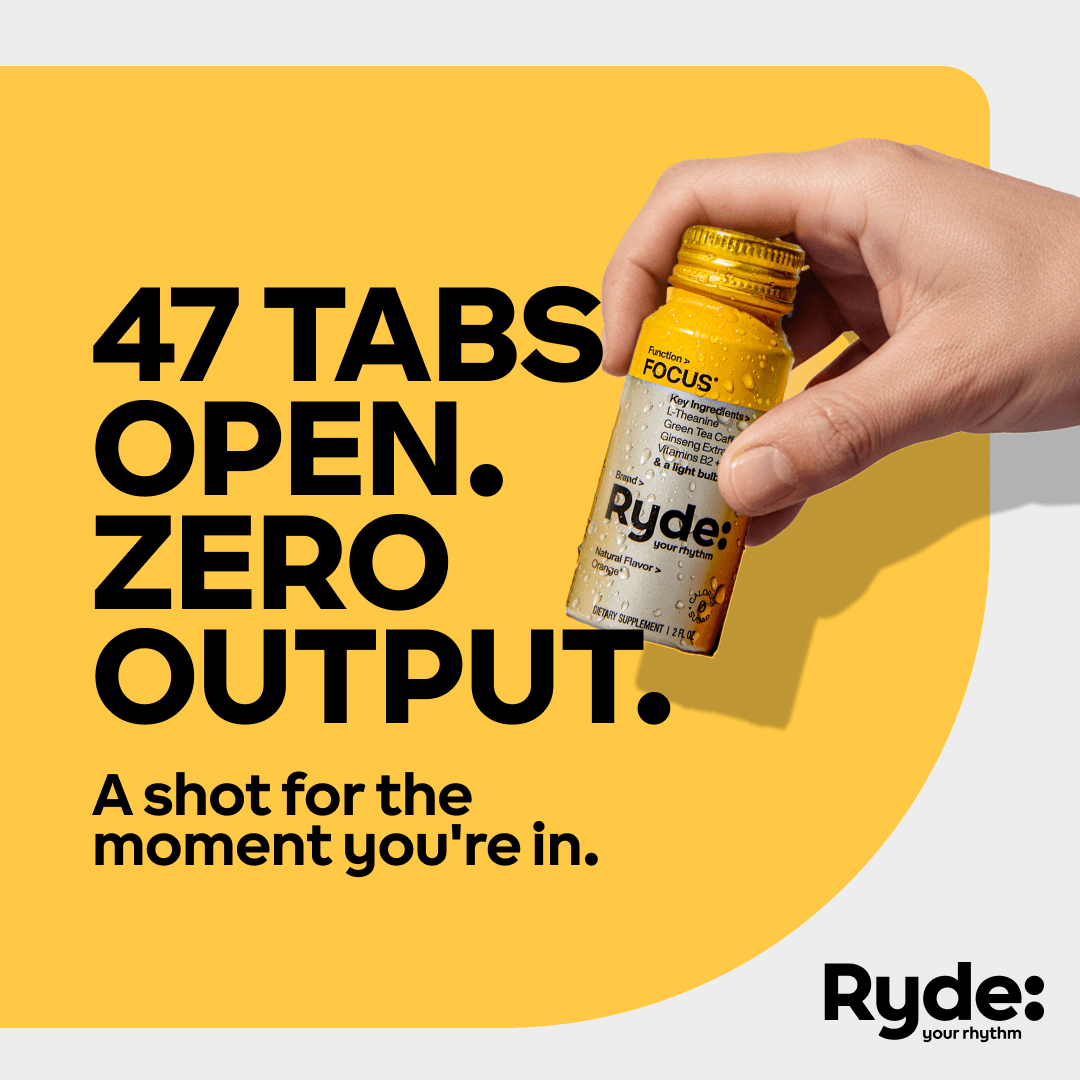
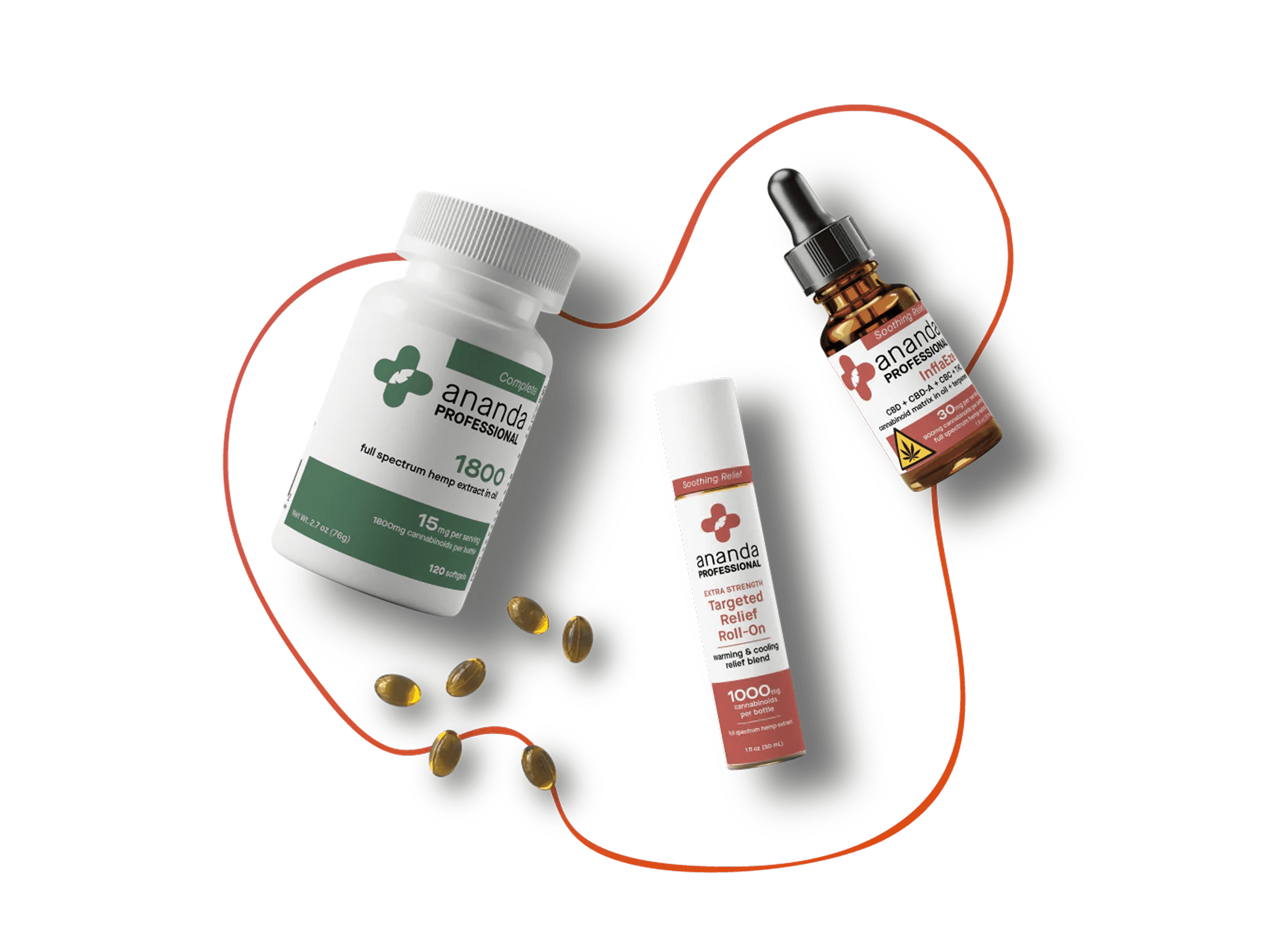
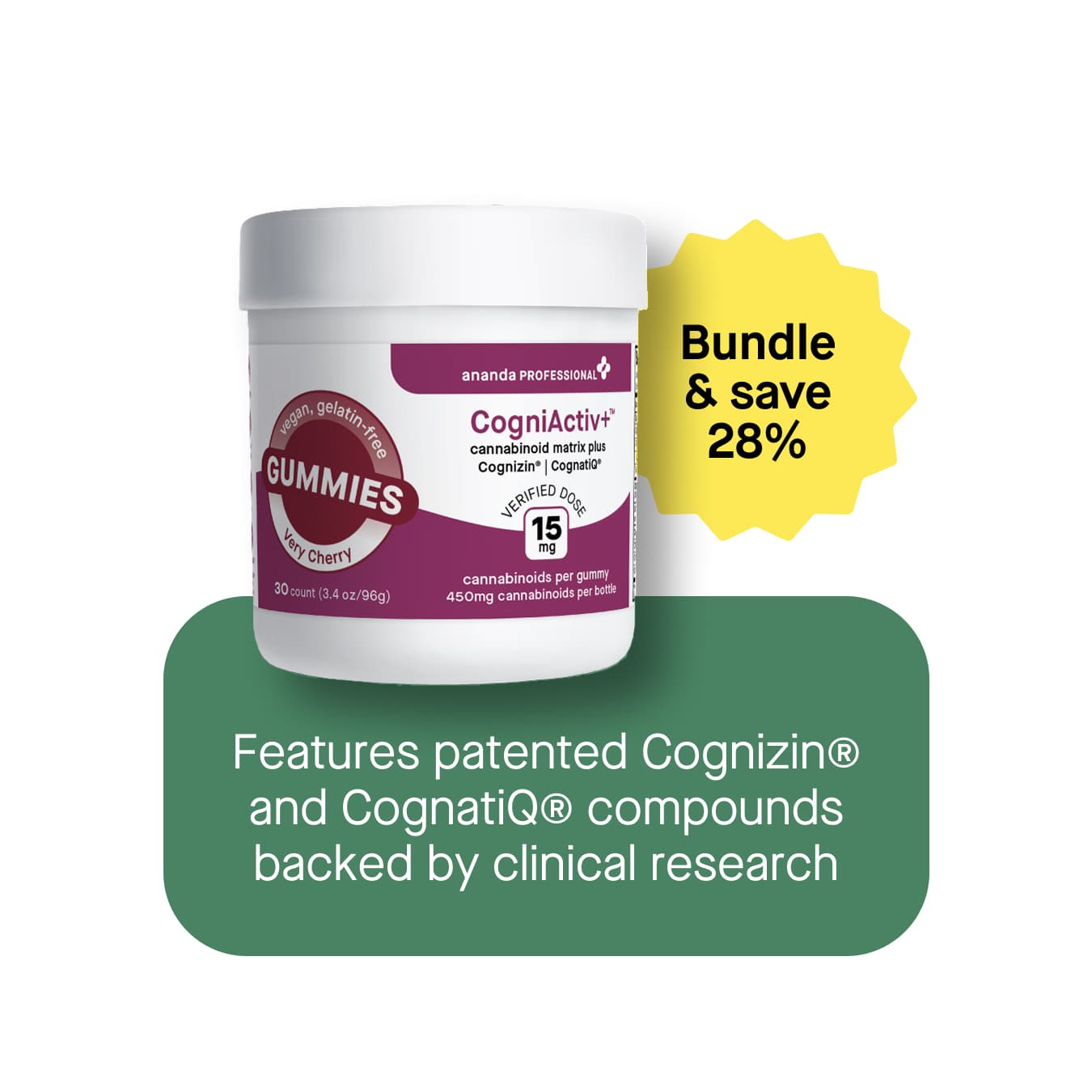
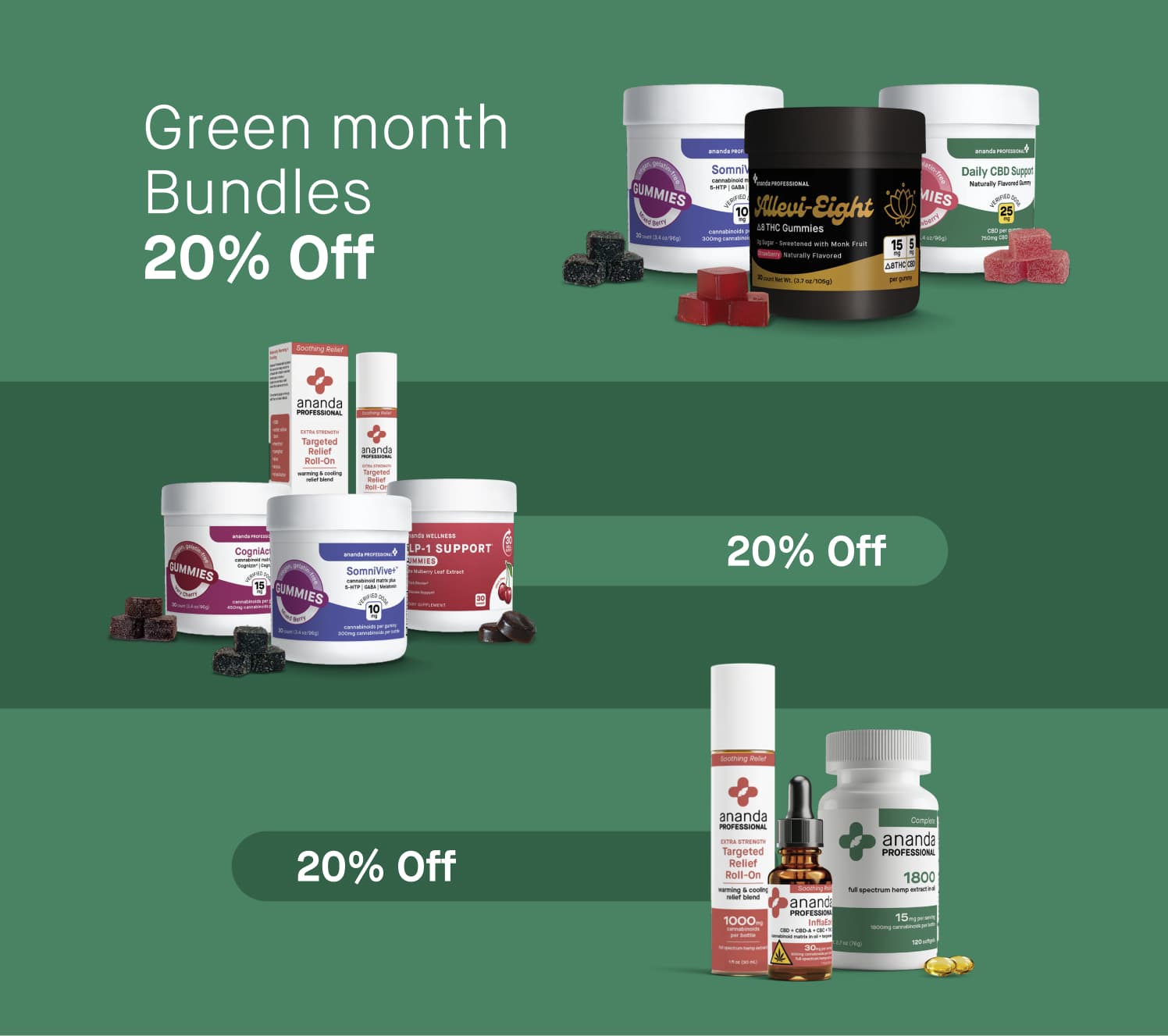
Creative that moves revenue.
Statics, motion, and creator content, shot, edited, and tested in-house for brands in your aisle.
Selected paid social and creator work. Every asset tested against a day-zero baseline.
Three things we tellevery brand on day one.
Count the sellers on your own Amazon listing before you spend another dollar on awareness.
Most retail-built brands have never counted the sellers on their own listing. The number is public and takes sixty seconds to check. It is usually between four and nine, and several of them are undercutting your retail partners.
Your own website is the one place online where no retailer can be undercut.
That is what you tell your buyer: selling on your own site at full price, with subscriptions attached, protects the shelf. What threatens the shelf is a reseller selling below MAP.
If your average order is under $30, shipping eats you alive. Fix the bundle before the ads.
AOV means average order value: what a typical customer spends per order on your site. When it is under $30, shipping costs wipe out the profit. About 80% of the time, weak online margins are an order-size problem misdiagnosed as a shipping problem.
What our clients say.
“Good Monster was the catalyst for expanding and transitioning our thinking into the digital marketplace.”
 Ann M.President, Hollowick
Verified client
“Sales are up, our brand is sharper, and the website delivers a better user experience. I'm a fan of the Good Monster team.”
 Doug S.Founder, Vigilant Eats
Verified client
“Their expertise in optimising conversion rates goes beyond our expectations.”
 Roberto G.Director of Ecommerce and Commercial, Ryde
Verified client
What happens to revenue when you add each online channel.
Start with a brand doing $100K per month in retail only. Drag through the stops below. Each stop adds one online channel, and each lift is a real, published result from our case studies, stacked to show how they compound.
Retail Only
Starting point
Illustrative only, based on aggregate results across past case studies, not a personalized projection.
That curve is illustrative. Yours is not.
Run the Ecommerce Gap Analysis to see where your brand actually sits — built from your public data, not an average.
Run my analysisPick a day and time that works for you.
30 min with a Good Monster strategist. You leave with your real number and a dated 90-day plan.
See how much value ecommerce actually has for your brand.
One number, from public data. You keep the ranking whether or not you hire us.
- Run the Gap AnalysisEnter your website. We pull your door count, branded search volume, seller count, and site state from public data. It takes ninety seconds.
- We walk the math with youA live call within three business days. No deck, no gated PDF.
- You get the rankingEvery revenue gap in dollar order against your own baseline. Yours to keep whether or not you hire us.
Free, and yours to keep whether or not we ever speak.